
Football boots by the door. A training kit in the wash. Another evening spent driving to the club.
If you are raising a sporty child in the UAE, you know the routine. You also know how much effort children put into every session, even when the temperature stays high long after the sun begins to set.
You send them with a full water bottle. Sometimes it comes back empty. Sometimes it looks barely touched.
Either way, an important question remains:
Is water even enough?
What does your child lose when they sweat?
Sweating helps the body cool itself. During exercise, particularly in hot or humid conditions, children lose both fluid and electrolytes through their sweat.
Electrolytes are minerals that carry an electrical charge. The main ones include:
-
Sodium
-
Potassium
-
Magnesium
-
Calcium
-
Chloride
-
Phosphate
These minerals help support everyday functions such as fluid balance, normal muscle function, and nerve signaling.
For a short, gentle activity in comfortable conditions, plain water may be all your child needs. But football matches, tournaments, running sessions, swimming practice, and other demanding activities can involve longer periods of exertion and heavier sweating.
In the UAE heat, that distinction matters.
Why may water not tell the whole hydration story?
Water should always form the foundation of good hydration. Children should drink regularly before, during, and after exercise.
However, sweat does not contain water alone. It also contains electrolytes.
Drinking water replaces lost fluid, but it does not necessarily replace the minerals lost during a hot, demanding training session. Mineral water is not always available or the option children reach for, and the mineral content of filtered, purified, and bottled water can vary.
This does not mean every child needs an electrolyte drink every time they move. It means parents should consider the conditions.
Electrolytes may become more relevant when your child:
-
Trains for a long period
-
Sweats heavily
-
Exercises outdoors in hot or humid weather
-
Plays several matches in one day
-
Attends back to back training sessions
-
Finishes practice with sweat soaked clothing
-
Struggles to drink enough plain water
Hydration also begins before training. Waiting until a child feels extremely thirsty can mean they are already mildly dehydrated and playing catch up.
The UAE heat deserves extra attention
Children can become absorbed in their sport and overlook early signs that they need a break. They may want to finish the drill, impress their coach, or stay on the pitch with their friends.
Parents and coaches should encourage regular drink breaks and watch for signs such as:
-
Unusual thirst
-
Dizziness
-
Headache
-
Nausea
-
Weakness
-
Heavy fatigue
-
Muscle cramping
-
Confusion or unusual behaviour
A child showing signs of heat illness should stop exercising, move somewhere cool, and receive appropriate adult or medical attention.
Where possible, schedule outdoor activity during cooler hours. Choose breathable clothing, provide shade, and make hydration part of the sports routine instead of something children think about only when they feel exhausted.
The sugary drink problem
Once parents understand the role of electrolytes, they often face another problem.
Many drinks marketed around sport contain large amounts of sugar. Children see the bright bottle and exciting flavour. Parents see another sugary drink competing with healthier habits.
That leaves families choosing between plain water that a child may ignore and a sweet drink they may ask for too often.
A hard training session does not automatically justify a bottle full of sugar. Sugary drinks can cause a rapid rise in blood glucose followed by a drop, creating the spike and crash pattern many parents want to avoid.
The better question is not simply, "How do I get my child to drink more?"
It is, "How do I make better hydration appealing without relying on sugar or synthetic artificial sweeteners?"
A practical hydration option for active UAE families
This is where oneshot fits into the routine.
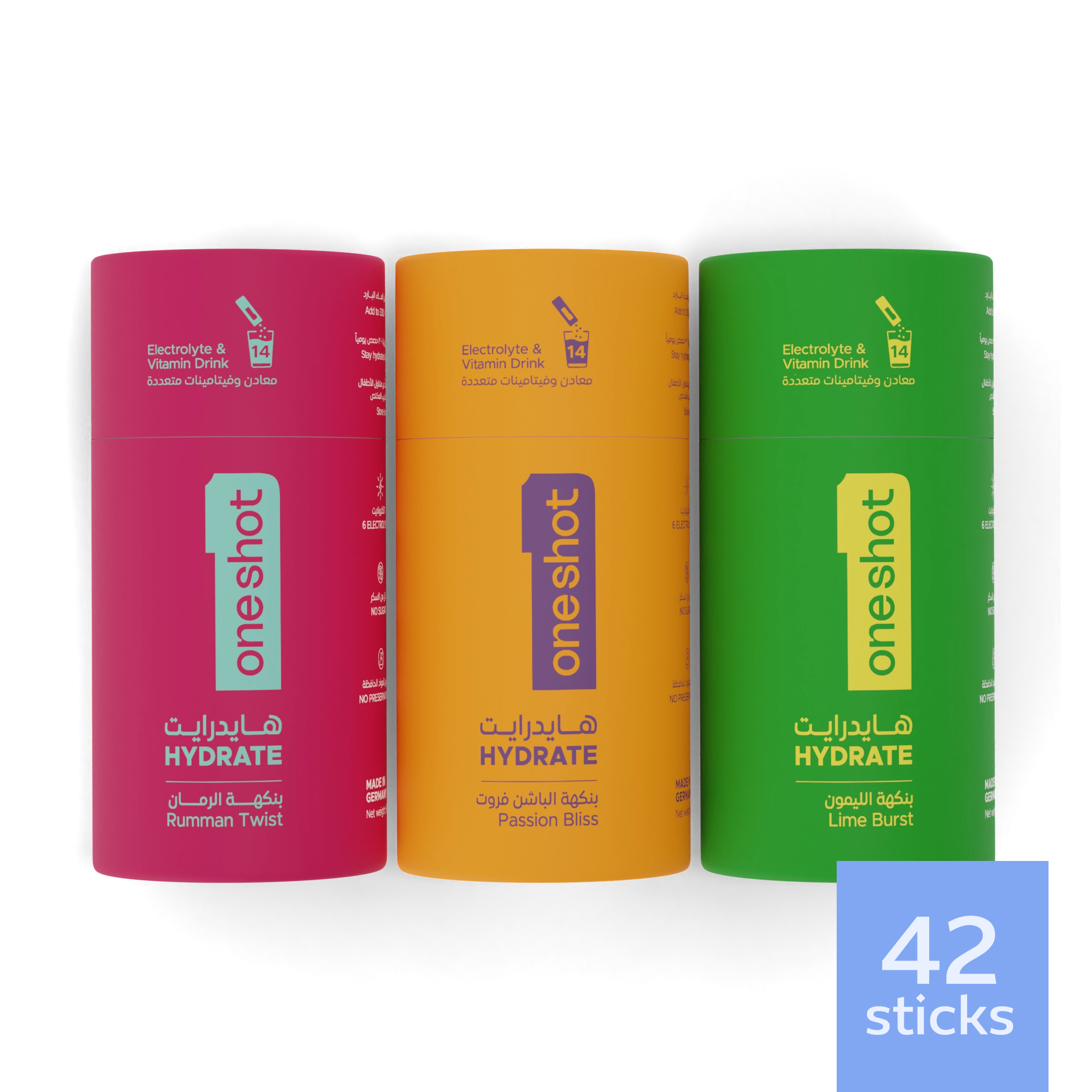
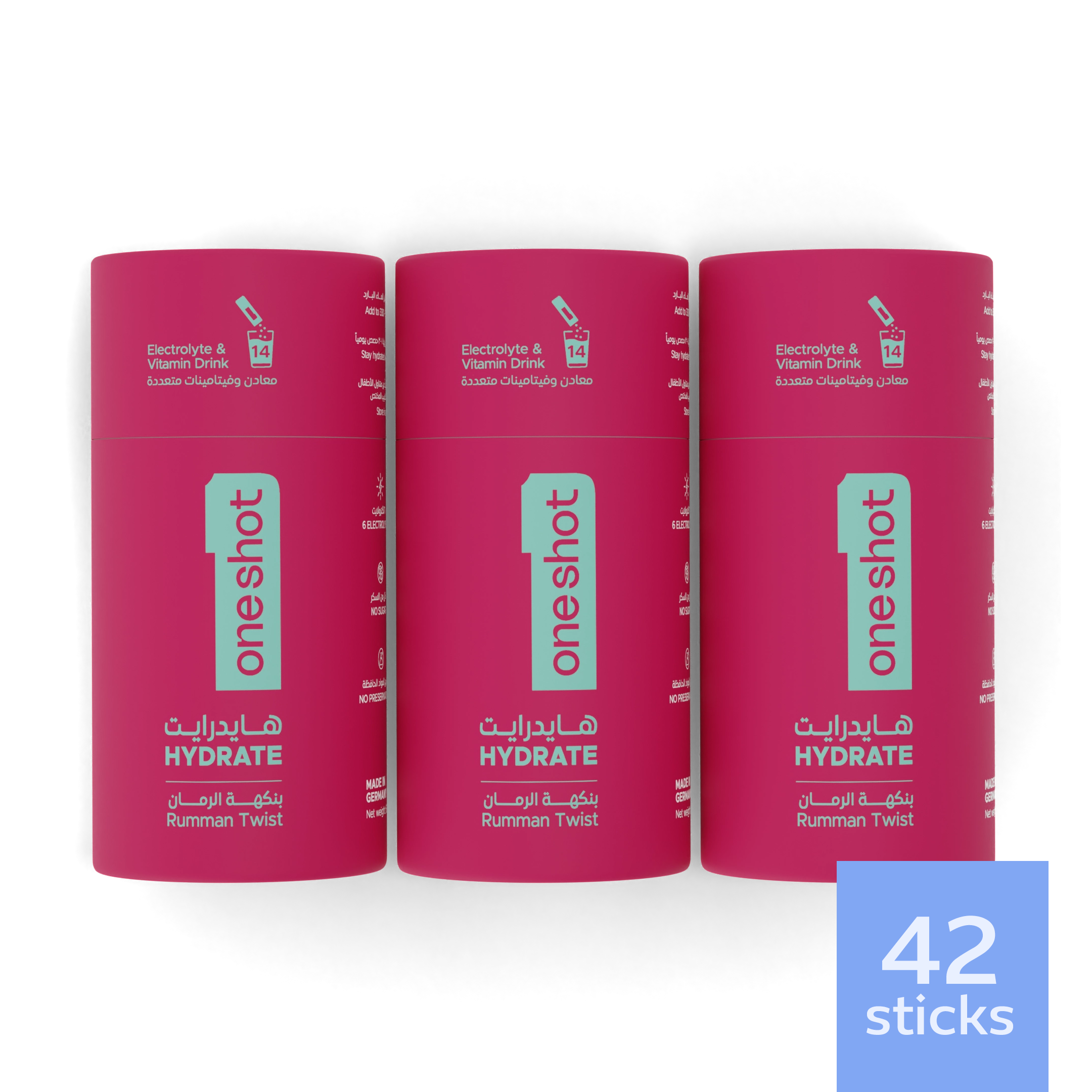
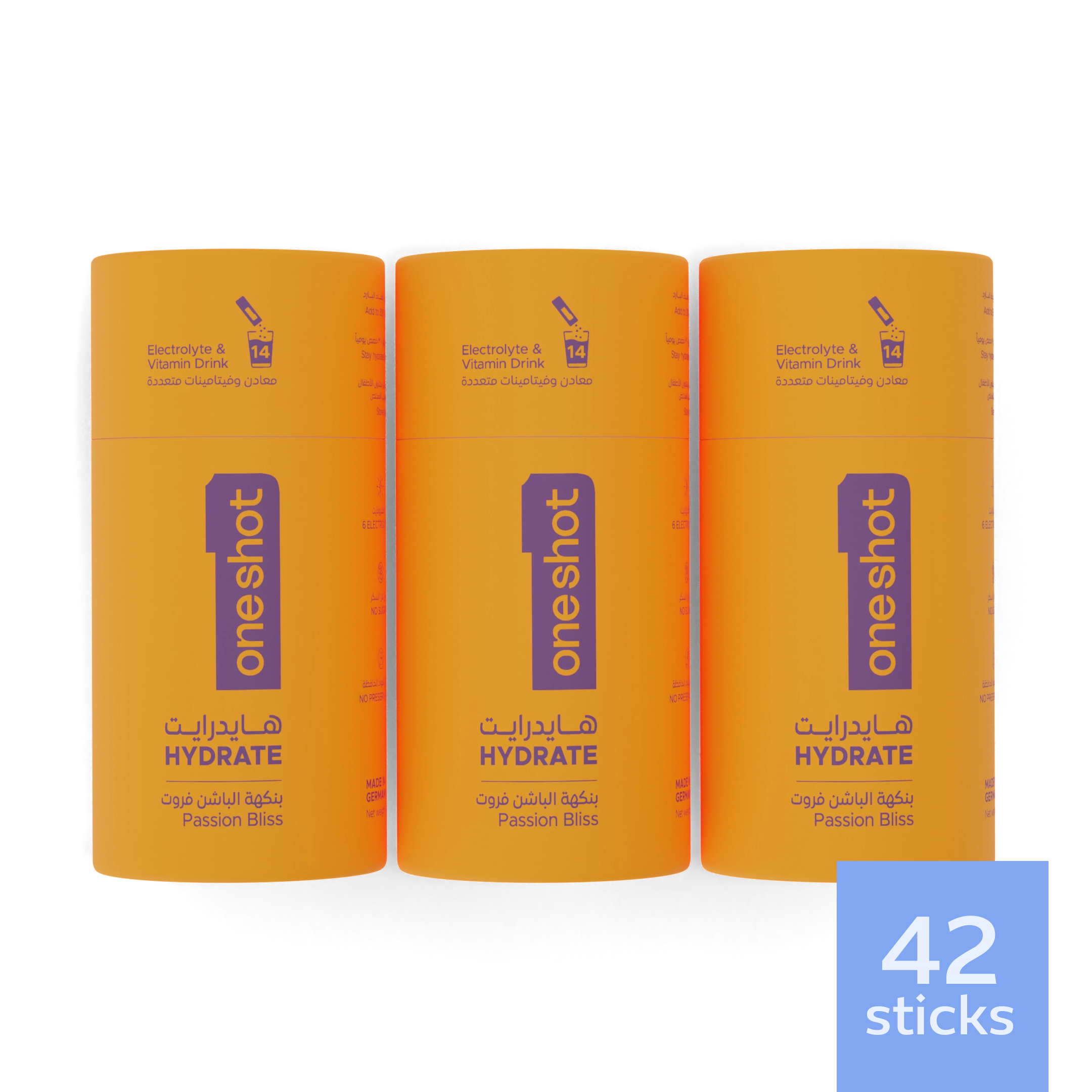
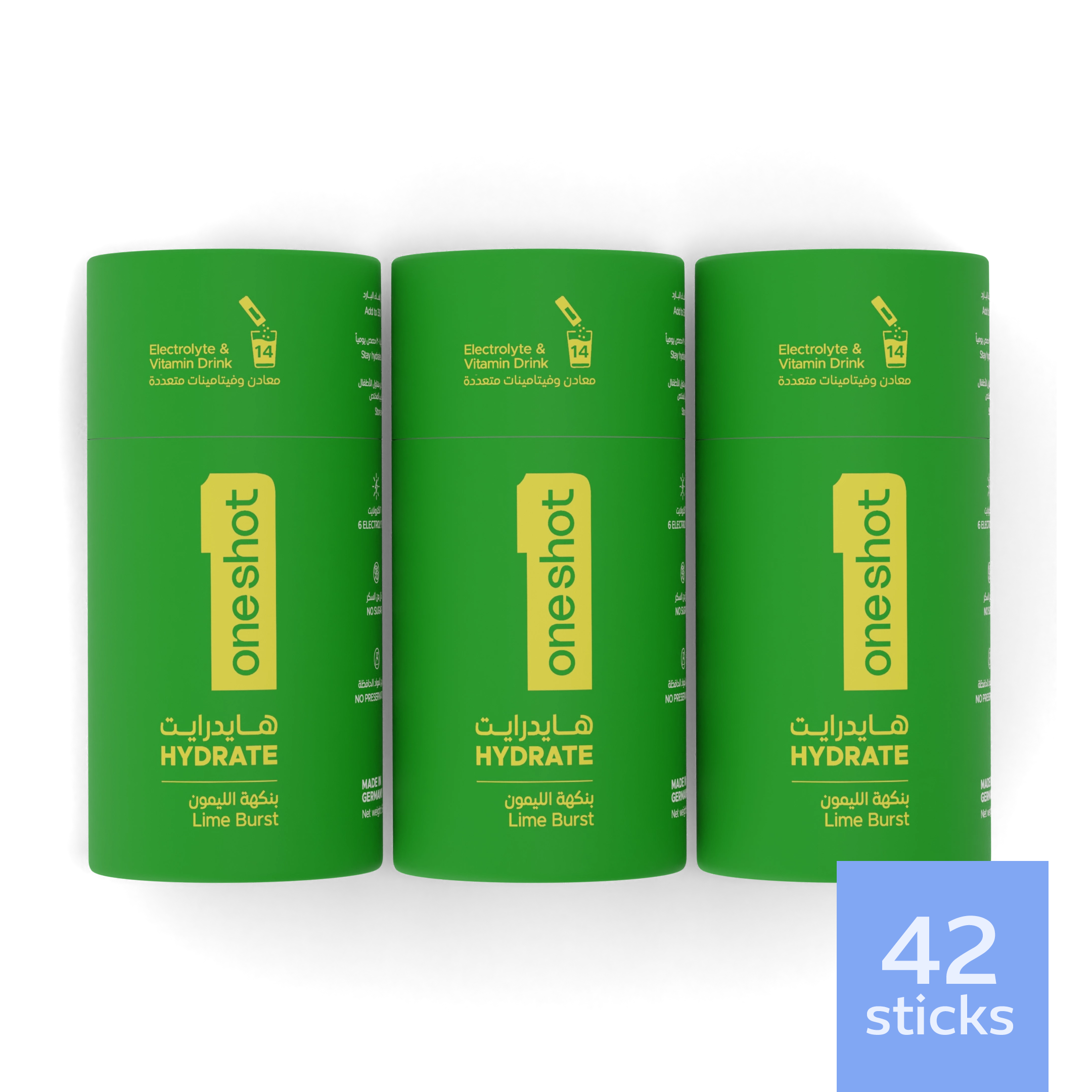
oneshot is a sugar free hydration drink containing six essential electrolytes: sodium, potassium, magnesium, calcium, chloride, and phosphate. It also contains vitamins B5, B6, B12, and C, plus zinc.
If it contains no sugar, why does it taste sweet?
oneshot is sweetened with stevia leaf extract.
Stevia is a plant derived sweetener that comes from the leaves of the Stevia rebaudiana plant. It is not a synthetic artificial sweetener like sucralose and aspartame.
Each oneshot sachet mixes with 330 to 500 ml of cold water. It is easy to prepare before football practice, pack for a tournament, or keep ready for the journey home.
oneshot is:
-
Sugar free
-
Sweetened with plant derived stevia leaf extract
-
Free from synthetic artificial sweeteners
-
Made in Germany under the highest EU standards
-
Certified by Dubai Municipality as suitable for children aged four and above
-
Easy to carry in a sports bag
-
Simple to mix with cold water
-
Suitable for football and other demanding sports activities
Hydration children will look forward to
The best hydration routine is one your child will actually follow.
oneshot gives sporty children a cold, flavourful drink to reach for around training. It gives parents a sugar free option made with carefully measured electrolytes, vitamins, and plant derived stevia.
It tastes so good, you may find yourself wanting to steal a sip.
Make better hydration part of the kit
You already check for boots, shin pads, rackets, goggles, and clean uniforms. Add hydration to the same checklist.
Put a oneshot sachet in their sports bag. Mix it according to the pack directions. Encourage them to drink regularly, take breaks, and pay attention to how they feel.
They bring the energy, determination, and love of the game.
You can help them replace what every sweaty session takes out.
Give your young athlete a sugar free kids hydration drink they will actually want to drink.